Message us
info@Northerlightsadultfamilyhome.com
info@Northerlightsadultfamilyhome.com
Have Question? Call us today
404 993 0963
404 993 0963
Like, Share and Comment
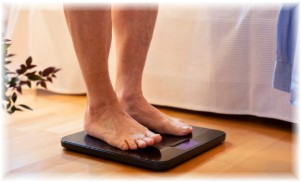

Abstract: Learn whether weight loss is a normal part of aging, what causes it, and when it may signal a health concern. Understand the difference between healthy aging and problematic weight loss.
There are several reasons why older adults may experience weight loss. Aging naturally leads to a reduction in bone density and muscle mass, which can affect overall body weight. Changes in diet or exercise routines as part of a healthier lifestyle may also contribute to weight loss.
However, sudden or unexplained weight loss in a loved one could signal an underlying issue. It may stem from a serious illness, chronic condition, or mental health challenge. If your senior loved ones have experienced weight loss, understanding the cause is crucial to providing the right support as they work with their doctor toward recovery.
Normal Weight Loss in the Elderly
It is normal for seniors to lose some weight as they age due to factors such as decreasing muscle mass and bone density as well as metabolic changes. Men are also likely to lose weight due to reduced testosterone production and women can experience weight loss due to postmenopausal hormone shifts.
Losing between 0.2 and 0.4 pounds of body weight per year is considered normal for seniors. However, if seniors lose 5% of their body weight or more in a 6-to-12-month period, there is likely an underlying issue that needs to be addressed.
Normal weight loss in seniors may be caused by the following:
Sarcopenia: Sarcopenia is the progressive loss of muscle mass which is a natural part of the aging process. The loss of muscle mass contributes to overall weight loss.
Bone density: Seniors generally lose bone density as they age, which can also cause a decrease in weight.
Metabolic changes: Metabolism slows down with age which can make it easier to lose or gain weight.
Hormonal shifts: A reduction in testosterone and estrogen production can cause both men and women to lose weight as they age.
Lifestyle changes: Intentional changes in diet and physical activity can lead to healthy weight loss among seniors.
Unhealthy Weight Loss in the Elderly
As mentioned above, unexplained weight loss in which seniors lose 5% or more of their total body weight within 6 to 12 months may be a sign of an underlying issue that needs to be identified and addressed. Rapid weight loss can also be a sign of a medical problem, even if the sudden weight loss is less than 5% of their total body weight. Seniors who experience unhealthy weight loss may also be affected by loss of appetite, fatigue, and weakness.
It is important to watch for signs of sudden weight loss in your senior loved ones as this can be a sign of a serious medical condition. The following are the most common causes of severe weight loss among seniors:
If you suspect a loved one may be experiencing unexplained weight loss, it’s important to encourage them to consult their doctor. Common causes, such as cancer, dementia, depression, or loneliness, can often be identified and addressed quickly with a physician’s help. Only a healthcare professional can accurately diagnose these conditions and determine the appropriate course of action.
Unintentional weight loss in seniors is particularly concerning, as it can significantly impact their quality of life. It increases the risk of illness, hospitalization, bone fractures, and reduced mobility. Recognizing the signs of sudden, unexplained weight loss early is crucial to ensuring your loved one receives the support and care they need to maintain their health and well-being.
How to Avoid Unintentional Weight Loss in the Elderly
Maintaining a healthy diet becomes increasingly important as we age as it supports long-term health, vitality, and longevity. Here are some essential tips to help seniors eat well and avoid sudden unintentional weight loss:
What to Do If Your Elderly Loved One Has Unexplained Weight Loss
It is important to be on the lookout for signs of sudden weight loss as early detection and treatment can help improve the underlying conditions and get your loved ones back to a healthy weight. You should consult their doctor as soon as you notice the weight loss.
Their doctor will start by examining their medical history and performing a physical examination. Next, they will conduct tests such as blood and urine tests to determine if there is a medical issue that is causing weight loss. The doctor may also screen for dementia and depression to rule out these conditions as potential contributors.
After conducting these tests, the doctor will develop a plan to treat the underlying issues and help your loved ones manage their weight. It is possible that your loved one may be suffering from multiple conditions contributing to their weight loss. If depression or other mental health issues appear to be a factor, the doctor can refer you to a professional that can help treat these conditions.